
Helping Innovators Incubate
Engineered Substrates
Interfacial’s Engineered Substrates Division manufactures high-performance composite substrate at scale for transportation, building & construction, flooring, and other markets. Our composite sheet manufacturing is enabled by a Continuous Double Belt Press (CDBP) that delivers industry-leading benefits in lightweighting, dimensional stability, eco-friendly material utilization, and cost reduction.
Based in River Falls, Wisconsin, we operate 20,000 sq. ft. of manufacturing space and use a manufacturing strategy that enables the interface of dissimilar materials into multi-layer composite substrates—including programs that incorporate post-industrial and post-consumer recycled plastics.
What is the Engineered Substrates division?
Formed in 2012, Interfacial’s Engineered Substrates Division manufactures composite sheet, panel, and flooring at scale for the transportation and building-construction industries, from a 20,000 sq ft River Falls, Wisconsin facility. Production runs on a Continuous Double Belt Press (CDBP), delivering lightweighting, dimensional stability, and lower cost — including from commingled recycled plastics.
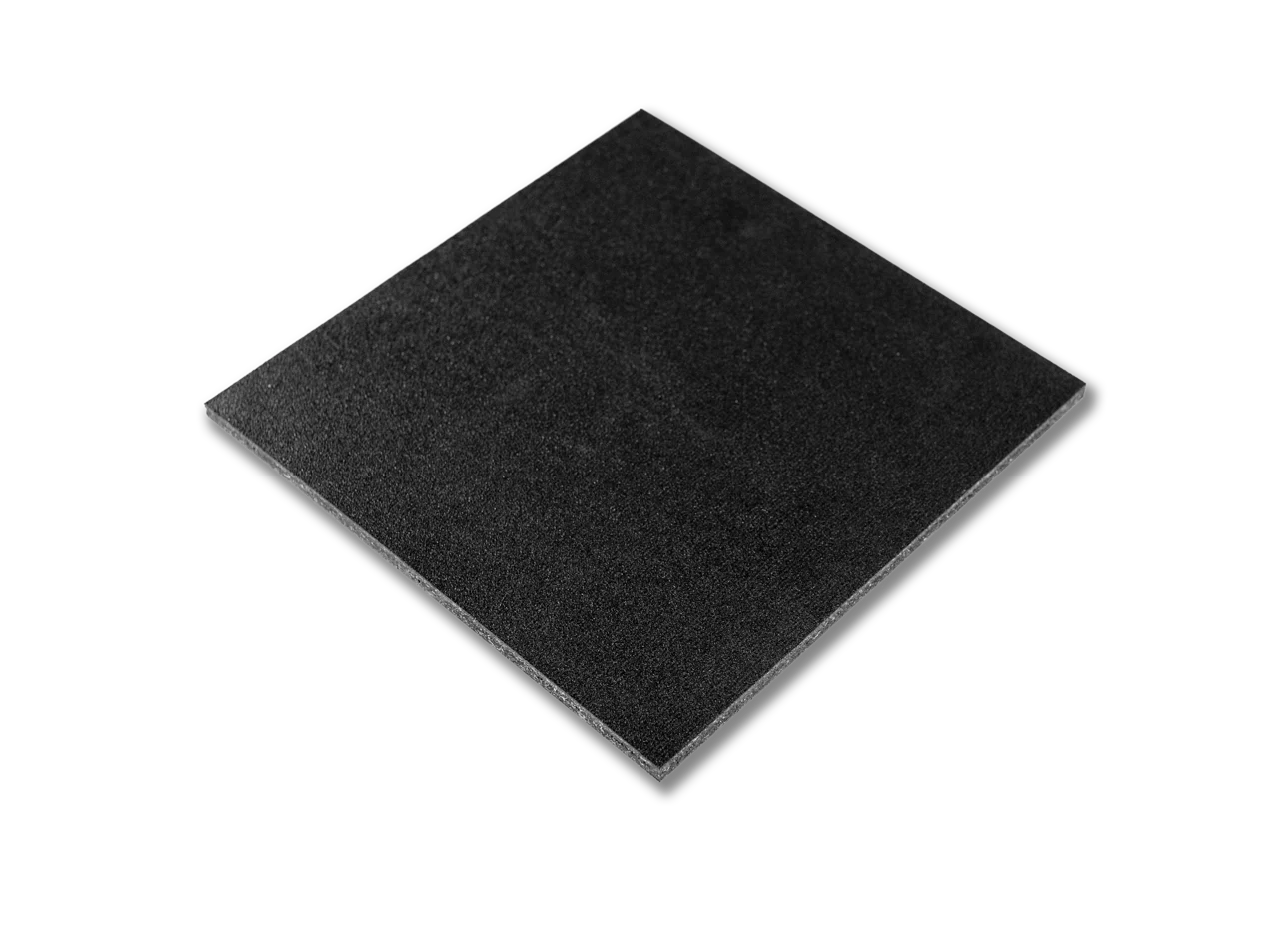
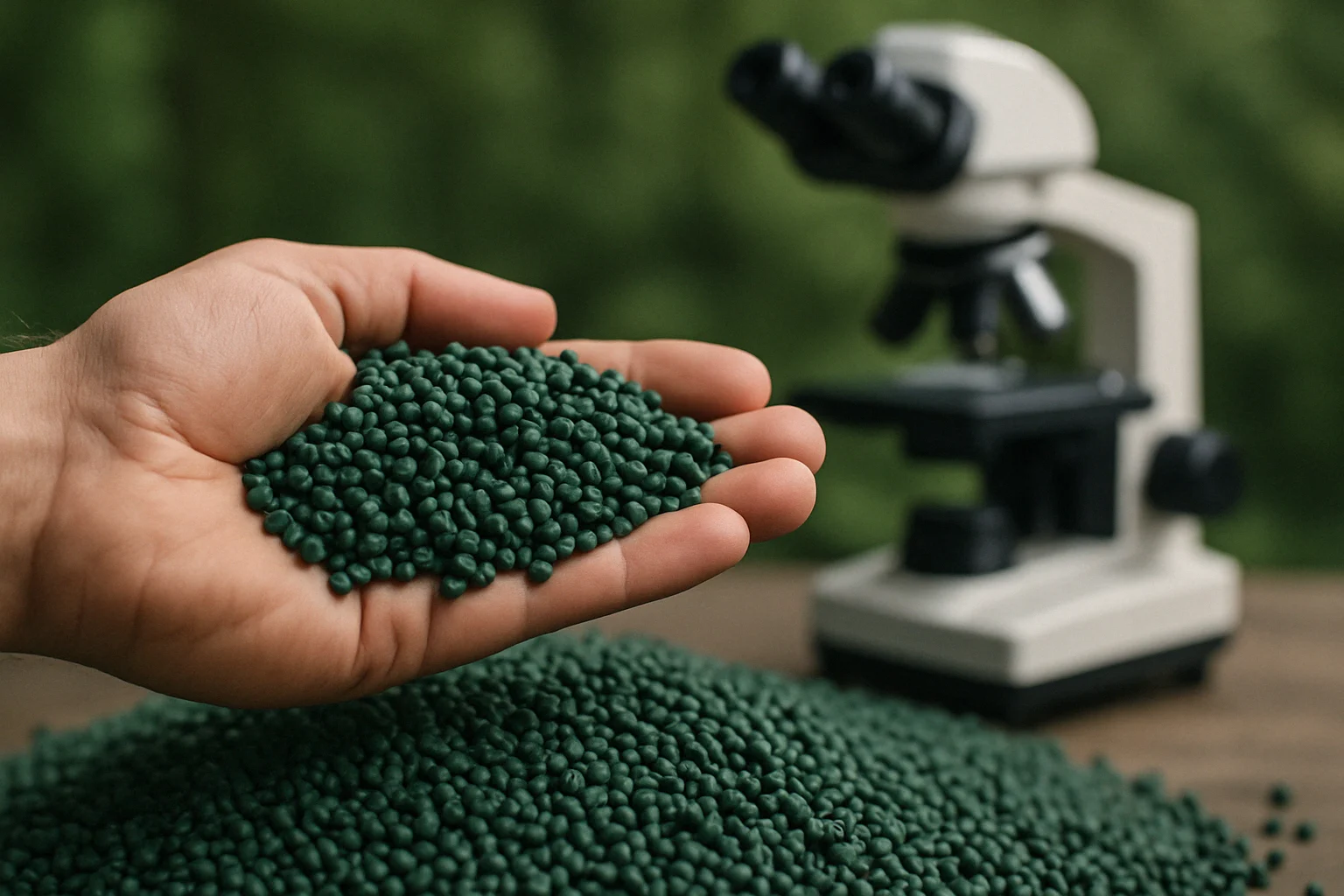
Sample to Truckload Scale-Up
Our Process & Program Support
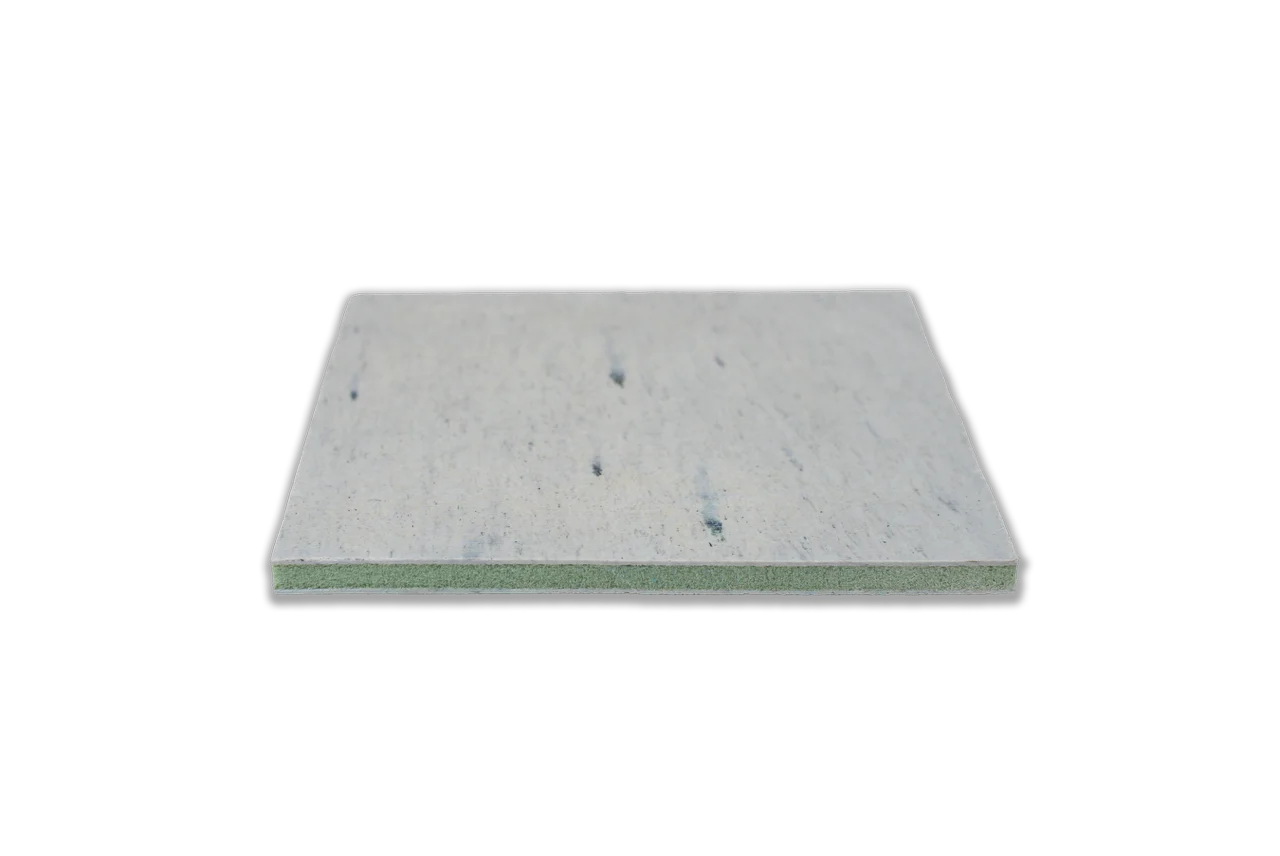
We manufacture multi-layer composite sheet on a Continuous Double Belt Press (CDBP), consolidating dissimilar materials and recycled + virgin plastics into high-performance substrates. Programs typically start with feasibility samples and scale through production volumes—including larger runs.
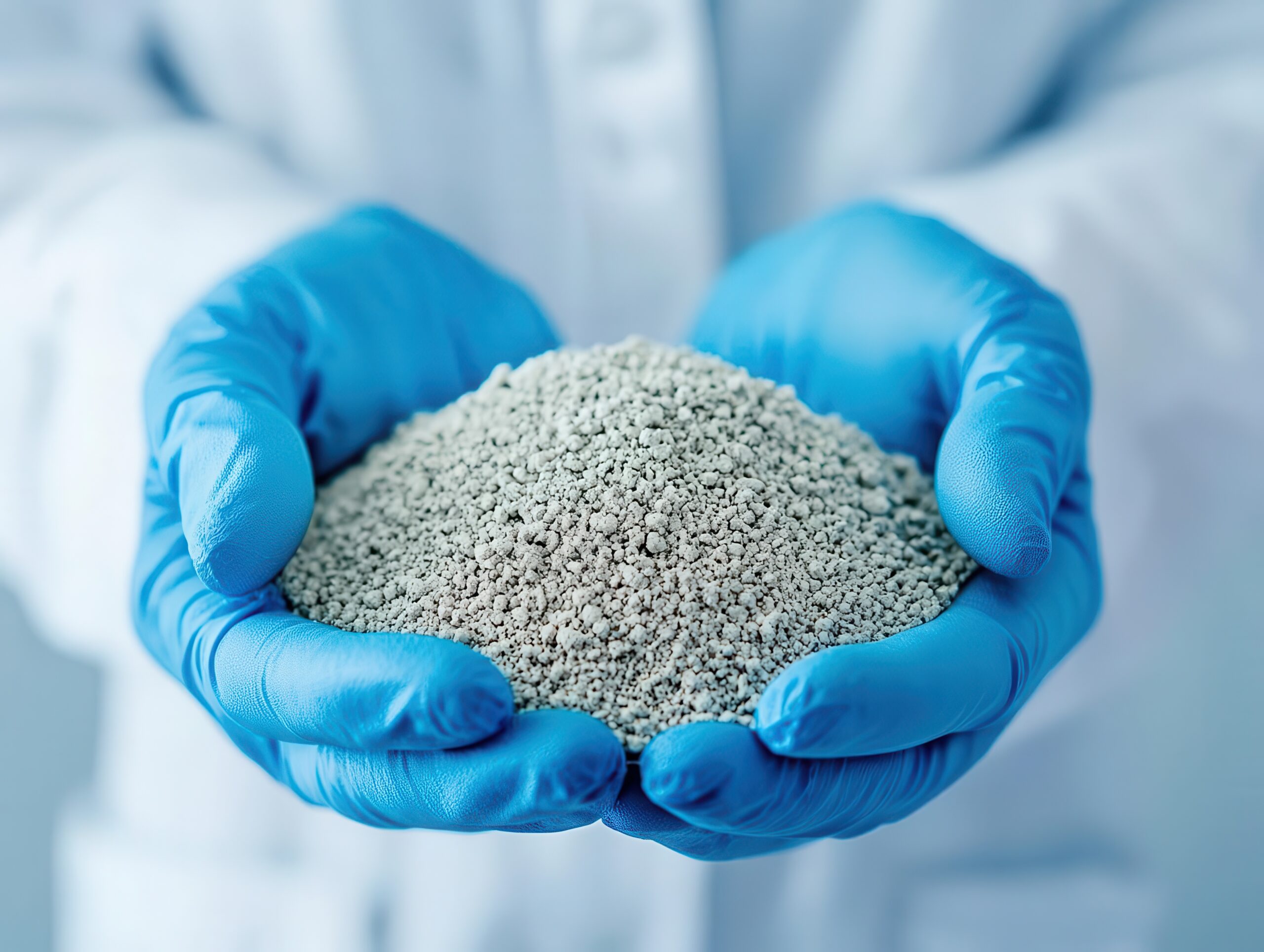
See What We Do
Featured Technology
“Continuous Double Belt Press (CDBP) Composite Sheet Manufacturing”—a continuous, multi-layer process that interfaces dissimilar materials and enables lightweight, dimensionally stable substrates using recycled and virgin plastics.
Interfacial’s Continuous Double Belt Press (CDBP) has been incorporated by Interfacial to manufacture high-performance plastic composite sheet from thermoplastics, thermosets, and other materials. Interfacial has developed novel methods for utilizing the CDBP to create commercially viable products for the transportation, building & construction, flooring, RV, signage, and thermoforming markets.
Using the CDBP, Interfacial can commingle recycled and virgin plastics in high-performance multi-layer constructions. Plastics ranging from commodity PE to engineered resins such as PETG can be combined with other materials such as glass microspheres, cork, and glass fiber mats to achieve performance characteristics like light-weighting or high dimensional stability.
Key advantages:
Frequently Asked Questions
Products include luxury vinyl tile (LVT), vinyl-free flooring, fiberglass-reinforced polymer (FRP) panels, and flat or thermoformed sheet, plus commercial lightweight lines such as Interfacial Ultra and Interfacial Maxx. End markets are transportation (Tier 1 and OEM lightweighting) and building and construction. Multi-layer surfaces can add abrasion resistance, conductivity, or metalized finishes.
The Continuous Double Belt Press assembles raw inputs (unrolled or scattered) onto an extended lower belt, consolidates them under heat and pressure, then anneals; sheets can then be embossed, printed, laminated, or trimmed. It produces 1/16″–9/16″ thick sheet up to 5 feet wide in multi-layer constructions, and can commingle post-consumer and post-industrial recycled resins with virgin plastics (PE, PETG, PVC, ABS, PET). Three technology levers define the platform: lightweighting (glass-microsphere or cork fillers cut weight by more than 25% at 10 wt% loading), dimensional stability (glass fiber or mats reduce the coefficient of linear thermal expansion by more than 50% versus virgin resin), and cost (using dissimilar and recycled materials).
Passionate – Dedicated – Professional
Start A Discussion With our Development Team